
 Whoever said, “food is fuel for the body,” might not have meant the same fuel we use for our cars, and as of Apr. 22, 2025, the Food and Drug Administration announced that they plan to remove all petroleum-based synthetic dyes from the U.S. food industry by Jan. 18, 2028 at the latest.
Large companies such as General Mills Inc., Mars, Incorporated, PepsiCo and the Target Corporation have responded to the plan by making commitments to remove petroleum-based dyes from their products late last year.
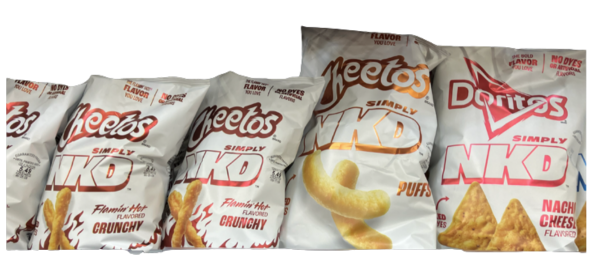
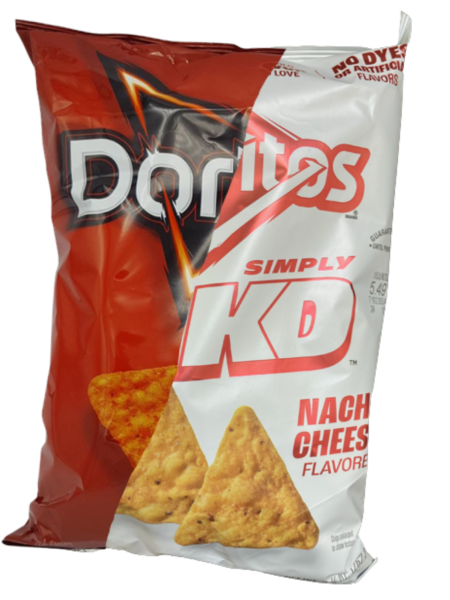
And new forms of their products made without these dyes are beginning to be stocked on grocery shelves. PepsiCo released a new line of Doritos called Doritos Simply NKD (“Naked”), as well as Cheetos Simply NKD, both without the vibrant orange cheese color, but with the same taste as the original. Neither product has Red 40 dye in them.
Most reviews online for these reformed snacks have been positive, some even going as far to say they taste better.
Christina Sleptzoff, a health teacher at McDowell High School, said, “I think we’re so used to seeing bright colors and our eyes like colors. When we see colorful things we want to eat them.”
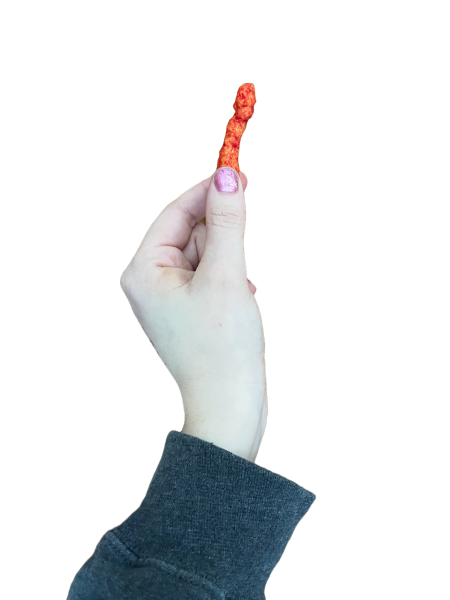 The reason for the removal of these synthetic dyes after so many years is the rising health consequences. Petroleum-based synthetic dyes have been used in the U.S. since 1907 after the Pure Food and Drug Act of 1906 limited the use of toxic colorings. The country then moved away from artificial dyes made from coal tar at that time, but shifted towards petroleum-based compounds instead.
These synthetic dyes are now grouped as carcinogenic additives–ingredients that can directly cause cancer. Other additives that can be linked to cancer are sodium nitrite, potassium nitrite, potassium sorbate and sulfites, all of which can be found in ultra-processed foods.
So far, the FDA has been looking for alternative natural dyes to replace the harmful ones, such as calcium phosphate, Galdieria extract blue, gardenia blue and butterfly pea flower extract.
“Food might look more like real food. Nothing is bright blue raspberry, there’s no bright blue raspberry out there,” says Sleptzoff.
Right now, the FDA’s main focus is the removal of Red No. 3 from food products. Manufacturers have been given a deadline of Jan. 15, 2027 or Jan. 18, 2028 to either remove or replace the red dye from their products.
In the next coming years, the FDA will start cracking down on these dyes, all in an effort to reduce health risks for Americans.
“If it’s not a food you probably should not be eating it,” Sleptzoff says. “The point of eating is to nurture your body and provide it with fuel so it operates well and feels good.”