
Labubus, Stanley water bottles, Dubia chocolate, Celsius energy drinks, Squishmallows, Weck jars.
All of these products share common themes in the world of economics. They are all high-demand consumer goods right now, they are all promoted heavily through social media and they are all useless trends that will fade out in a couple months.
Social media has a greater role in economics than many people may think. According to overconsumption.org, a study published in Journal of Marketing showed that endorsements from influencers can increase consumer willingness to buy products by up to 50%.
Social media is the perfect place to promote a business or product due to the ability to enhance consumer engagement and use targeted advertising, which in turn contributes to the GDP (gross domestic product). Places like Tiktok and Instagram are perfect examples of how social media can influence our demand in the economy through advertising and influencer marketing, especially with the addition of things like TikTok Shop. According to the U.S. Bureau of Labor Statistics, the influencer marketing economy grew in 2021, from nearly $2 billion to almost $13.8 billion, with approximately 50 million content creators.
There have likely been times when you may have been scrolling through social media platforms and came across content creators advocating for environmental concerns or raising money for a special cause. It’s these same creators who own 15 Stanley water bottles, or sell cheap clothing or plastic gadgets on TikTok Shop. They contribute just as much to the environmental concerns they preach about online as the average American consumer.
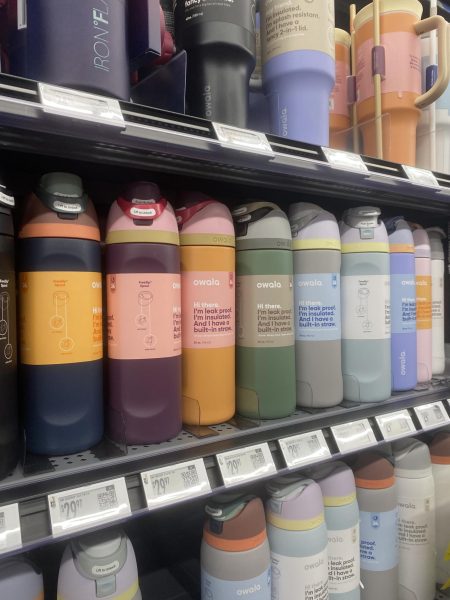
After all, what is the point of owning 15 re-usable water bottles when they are supposed to be re-used? But when the trend changes from the Stanley to the Owala, and the Stanley ends up in the landfill, what world are you actually saving?
Simple. It’s because people are influenced to buy more of the same products if they are advertised in different “new” colors or “better” features.
Companies are tracking you through social media clicks, asking you to opt into direct marking text messages on your phone, and global goods can be shipped from almost anywhere.
Online clothing manufacturers like Temu and Shein are often used by people to purchase cheap, trendy clothes. While this allows consumers to access clothing they otherwise would not be able to afford or would not choose to purchase at original prices, it has major side effects.
“Fast fashion” is a term coined by the media to describe the cheap, quick production of trending clothing. The effects of fast fashion are felt by the environment in the form of overproduction and waste that is produced once those clothes aren’t trending anymore.
Additionally, anyone can contribute to this quick trend economy by starting an online business and promoting it through social media.
But just because anyone can start a business, doesn’t mean they should.
In 2022, Veronica Shaw, a TikToker known online as “Chef Pii,” created and distributed a pink-colored dipping sauce that quickly became popular in the online world, with hundreds of people buying her product and trying it themselves. Shaw eventually faced major backlash and complaints though. Her product was not FDA-approved and people soon started noticing a sour taste to the sauce upon its arrival, as well as a lack of proper labeling and production concerns.
Social media’s influence on the economy is dangerous. Every day, influencers are convincing people on the internet that they need useless products to make their lives better and easier. In reality, these products are usually made cheaply, poorly and quickly by underpaid or inexperienced workers. Other effects of overconsumption are environmental dangers from excess waste, plus the difficulty for traditional companies and small businesses to compete in the marketplace.
At some point, government action should regulate online businesses and companies when it comes to pollution and waste, food safety and ethical production of goods. In the meantime, it is our responsibility to reduce our overconsumption habits by supporting small, local businesses and not purchasing things we do not need.
So next time you contemplate buying an Owala, think about the five Stanleys you already have in your cabinet.